We Treat the Root Cause
Conditions Treated
Pain conditions, neurological issues, spinal disorders, systemic wellness — chiropractic care addresses far more than back pain. Here are the 31+ conditions we help patients heal from, every day, in Boulder.

Anxiety & Depression
Anxiety and depression are two of the most common mental-health issues people face today. They can be debilitating and significantly impact a person's life. These invisible illnesses take a physical and emotional toll — making everyday life a struggle, leaving people feeling overwhelmed, isolated, and exhausted. With the proper support, education, and tools, anyone can learn how to manage anxiety and depression and live a happy, productive life.
Learn more
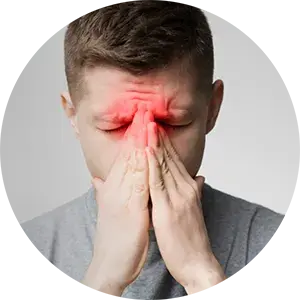
Allergy
Allergies result from the immune system's heightened sensitivity to substances generally considered harmless. These allergens prompt an abnormal immune response, leading to a wide range of symptoms and reactions.
Learn more

Arthritis
Arthritis is inflammation of the joints — primarily affecting the musculoskeletal system — that causes pain, stiffness, swelling, and reduced mobility. There are over 100 different types; osteoarthritis and rheumatoid arthritis are the two most common.
Learn more
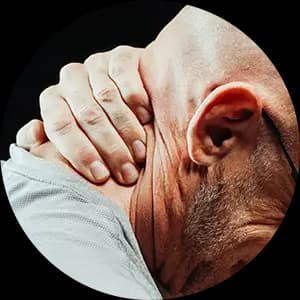
Car Accident Injury
Traditional medicine often focuses on the visible injuries of an accident — broken bones, cuts, bruises — but our chiropractors focus on the hidden damage that, if left untreated, leads to chronic issues like joint dysfunction, subluxation, soft-tissue damage, and recurring symptoms. Secondary injuries can appear days after the accident, showing up as restricted movement, stabbing pain, and strength loss.
Learn more

Carpal Tunnel Syndrome
Carpal Tunnel Syndrome is a peripheral-nerve disorder that produces numbness, burning pain, tingling, and weakness in the hand or arm. It occurs when the median nerve — which runs from the forearm to the hand through a narrow passage called the carpal tunnel — becomes compressed.
Learn more

Concussion
A concussion is a traumatic brain injury (TBI) caused by a blow, bump, or jolt to the head or body that makes the brain move rapidly back and forth. That sudden movement can twist or bounce the brain — leading to chemical changes and sometimes damaging brain cells. Because concussions are rarely life-threatening, medical providers may describe the injury as “mild” — but the effects can be serious.
Learn more

Chiropractor for Digestive Disorders
Food is our fuel — broken down during digestion and converted to the nutrients that power every system in the body. Digestion problems are common and typically involve the stomach, small intestine, or colon. They may be congenital, or the result of disease or nervous-system dysfunction. Chiropractic care optimizes nervous-system function to address digestive issues naturally — avoiding long-term medication dependency.
Learn more
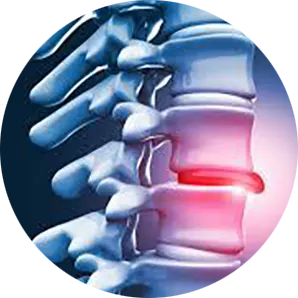
Disc Injury
Approximately five to 20 per 1,000 adults each year experience a herniated disc. Most often it affects the lumbar spine — the lowest part — though discs can be injured anywhere along the spine. Relief starts with the right care and a clear understanding of what's actually happening.
Learn more

Elbow Pain
The elbow joint is located between the point of the elbow and where it connects to the forearm — it lets you bend your arm and rotate it inwardly and outwardly. The elbow is actually multiple joints (humeroulnar, humeroradial, and intercarpal) all working together, which makes it both highly flexible and surprisingly easy to injure.
Learn more
Fibromyalgia
Fibromyalgia is a chronic condition that causes widespread pain and fatigue. Like other autoimmune diseases, it's the result of nervous-system dysfunction — one of the most common pain-related conditions people live with. The conventional approach treats the symptoms with medication. We treat the source: many people with fibromyalgia have pinched nerves in the neck, and chiropractic manipulation can restore normal spinal alignment and remove pressure from the spinal cord.
Learn more

Headache
Headaches are a common health complaint — over nine out of ten people experience them at some point. Causes range from tension and sinus issues to eyestrain and certain foods. Over-the-counter pain medications provide temporary relief but don't address the root cause. A chiropractor is trained to identify and treat the underlying cause using safe, effective techniques — focusing on the whole body to provide long-term relief and prevent future headaches.
Learn more

Hip Pain
The hip is the largest joint in the body — and has tremendous potential for injury. The joint relies on cartilage and ligaments held together by the gluteus muscles, IT band, psoas, and hamstrings — all of which influence hip movement and health. When the hip moves out of alignment, the rest of the body compensates, creating tightness, stiffness, tendonitis, and ligament sprains. Chiropractic care offers a non-invasive, natural approach to correct the root cause — relieving pain and preventing recurrence.
Learn more

Chiropractor for Immunity
Immunity is the body's complex defense mechanism against harmful pathogens — bacteria, viruses, parasites, and fungi. The immune system is a network of cells, tissues, and organs that work together to recognize and eliminate foreign substances. By optimizing nervous-system function, chiropractic care indirectly supports a stronger, more responsive immune response.
Learn more
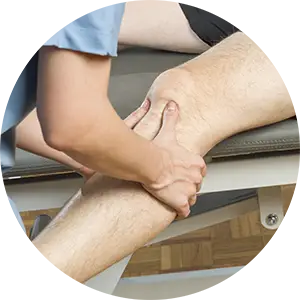
Knee Pain
You are not alone if you are affected by pain in and around your knee — an estimated one in three Americans is affected by chronic knee pain. There were more than 900,000 knee replacement surgeries in 2017 alone. Treatment from a chiropractor can relieve symptoms without resorting to surgery or chronic medication use.
Learn more

Low Back Pain
Low back pain is widespread — we treat it every day. Nearly everyone will suffer from it at some point. According to recent studies, lower back pain is the leading cause of disability in the United States. The two biggest risk factors are a sedentary lifestyle and poor posture: prolonged sitting strains lumbar muscles and joints, while inadequate lumbar support creates muscle imbalances.
Learn more
Middle Back Pain
The mid-back — between T12 and T5 — sits in the area between the thoracolumbar junction and the shoulder blades, where the spine's curvature changes direction. The thoracic spine's “kyphotic” curve balances the curves of the neck and lower back so the spine can act as a shock-absorbing spring. When these curves are exaggerated or lost, the spine's ability to handle force diminishes dramatically.
Learn more

Migraine
Migraines are one of the most common conditions chiropractors treat. Half of all Americans experience headaches at least once a year, and migraines are the most prevalent form patients report. They're neurological conditions whose symptoms can be severely disabling — intense throbbing pain on one side of the head, often with soreness behind the affected eye, numbness, tingling, sound and light sensitivity. About a quarter of migraine sufferers experience auras. Attacks can last anywhere from four to seventy-two hours.
Learn more
Neck Pain
Neck pain is a common issue caused by problems with neck muscles, joints, discs, and nerves. Addressing it immediately is essential to prevent further complications — left untreated, neck pain can lead to long-term discomfort and serious health issues. A chiropractor is often the best option: we diagnose and treat the root cause rather than continually chasing symptoms.
Learn more

Pinched Nerve
A pinched nerve occurs when something presses on one or more nerve segments, interfering with proper nerve function. The pressure can cause pain, numbness, tingling, weakness, or loss of balance — and it can affect every cell, muscle, organ, or tissue the nerve supplies, resulting in loss of proper function.
Learn more

Improving Posture
Posture is essential to spinal health — and your spine's health indicates the health of your whole body. Good posture means a neutral spine, shoulders back, head held high. Bad posture leads to chronic pain, cardiac and respiratory issues, and increased injury risk. Chiropractic care is an effective way to improve posture and optimize how your whole body functions.
Learn more
Plantar Fasciitis
On average, you take 8,000 steps every day — thousands of micro-impacts your feet must absorb. Repetitive stress and inflammation can tear the plantar fascia, the band of tissue that connects the heels to the toes and supports the arch. The result is plantar fasciitis — severe pain that makes it difficult to walk and stand, and degrades your quality of life.
Learn more

Pregnancy Chiropractor for Pregnant Moms
It's a good idea to work with a chiropractor early in your pregnancy. We can detect issues and begin treatment quickly to relieve pregnancy-related pain or discomfort. Pelvic and back pain often begins as early as five months in — sometimes within 30 days of becoming pregnant — due to hormonal and physical changes. Postural changes occur as your baby grows: when the back's curve increases, pain and instability develop and the psoas muscle shortens, creating more pain.
Learn more
SI Joint Pain
The sacroiliac (SI) joint links the sacrum to the ilium in the pelvis and supports the upper body's weight. It's susceptible to a number of pain conditions — lower back issues, hip discomfort, sciatica, and SI joint pain itself. We use a holistic chiropractic approach: comprehensive consultations and customized plans combining adjustments, massage therapy, deep-tissue laser therapy, and therapeutic exercises to enhance joint function and reduce pain naturally.
Learn more
Scoliosis
Your spine is a complex network of bones, muscles, and joints — and the armor that protects your central nervous system. When the spine curves sideways, it can cause pain, frequent headaches, or muscle spasms. Scoliosis — abnormal sideways curvature — is the most common spinal deformity in children and adolescents, more common in girls than boys. About 3% of the American population suffers from scoliosis, and most cases don't require surgery — they can be treated with conservative, non-invasive chiropractic care.
Learn more
Sciatica
Sciatica affects the sciatic nerve — the largest and longest nerve in the body. It can cause back pain, numbness, tingling, muscle weakness, and shooting or sharp pain radiating down the legs. Injury, subluxation, poor posture, or stress can compress the sciatic nerve and trigger symptoms — and it affects people who sit for long periods or who exercise regularly. It often results from a pinched, inflamed, or herniated disc near the lower back, buttocks, spine, or pelvis.
Learn more

Shoulder Pain
The shoulder is a ball-and-socket joint of three bones — the humerus, scapula, and clavicle. The humerus sits within a shallow socket on the scapula called the glenoid cavity, giving you a wide range of motion. Approximately 70% of people will experience shoulder pain at some point — from injury, degenerative joint disease, muscular strains, overuse, or poor posture.
Learn more
Chiropractor for Better Sleep
Sleep is vital. Without it, brains can't function at their best, people feel completely drained, and serious health risks pile up. In America, 50%–70% of people don't get the recommended sleep per night. It's easy to imagine that's just tiredness, but sleep deprivation causes serious health issues — and we can usually trace the cause back to the spine.
Learn more
Spinal Stenosis
Spinal stenosis is a narrowing of the spinal canal that creates pressure on the spinal cord and nerves. Untreated, it can lead to permanent nerve damage, increased pain, and decreased mobility — but a non-invasive, holistic chiropractic plan can decompress affected areas and restore function.
Learn more

TMJ
Our bodies are made up of intricate systems that function together in harmony — and when one part is compromised, it affects the whole. The temporomandibular joint (TMJ) is no exception. The TMJ connects the lower jaw to the temporal bone of the skull, and when it's out of balance, the entire body can suffer. TMJ pain arises when the bones, muscles, tendons, and ligaments around your jaw are out of sync — ranging from mild discomfort to severe chronic pain if untreated. TMJ affects over 10 million Americans, occurs more frequently in women, and becomes more common with age.
Learn more

Vertigo
Vertigo causes dizziness, spinning sensations, or loss of balance. Though not life-threatening, it's scary and debilitating — symptoms can range from mild to severe, with nausea, vomiting, sweating, headache, and difficulty walking. The inner ear plays a central role in balance, and fluid that can't drain properly is often connected to vertigo: when the brain receives conflicting information about your head's position, the sensation of vertigo follows.
Learn more
Whiplash
Whiplash describes the injury that occurs when the neck is abruptly forced to move back and forth. It's common in car accidents — but also from falls, sports injuries, and sudden trauma. The rapid neck movement damages muscles, tendons, and ligaments, leading to pain, stiffness, and decreased range of motion. In severe cases, whiplash also results in headaches, dizziness, and other lingering symptoms.
Learn more
New Patient Special
$79 — Your Full Evaluation
Consultation, neurological exam, movement analysis, postural assessment, digital X-rays (if needed), and your Doctor's Report of Findings.
Claim the Offer